Exploring the Materials and Manufacturing Behind Modern Cup Sleeves
Posted by naxin lis
6 views
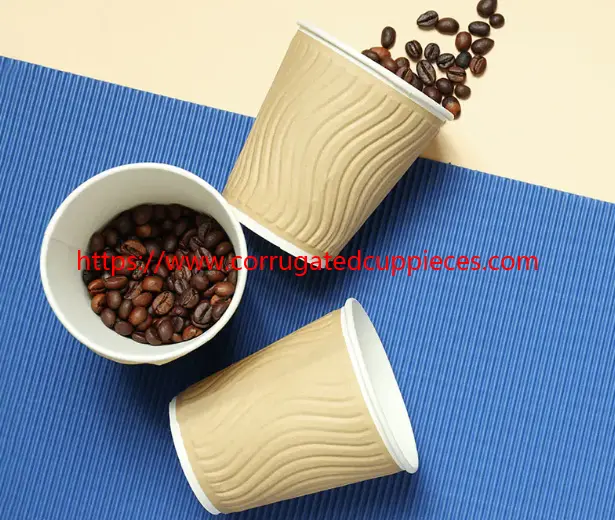
A cup sleeve may appear to be a simple packaging accessory, but its role extends beyond covering the outside of a beverage cup. It can help create a more comfortable grip, provide a protective layer between the cup and the user's hand, and contribute to the presentation of a drink. When businesses work with a Cup Sleeve Manufacturer, they need to consider how material choices, construction, usability, and visual identity come together in a product intended for everyday service. A sleeve that works well should feel natural to hold while fitting the cup and the brand experience surrounding it.
Material selection is central to the sleeve's performance. Paperboard is widely used because it can be shaped, printed, and converted into packaging with a practical balance of structure and flexibility. Kraft paper offers a natural appearance that may complement brands emphasizing simplicity, while white paperboard provides a clean surface for colorful graphics. Corrugated paper structures can introduce air spaces that help reduce heat transfer, while textured or embossed surfaces may offer a distinctive tactile quality. These material differences affect not only appearance but also grip, handling, and the way a sleeve responds to repeated contact. Buyers should assess the material as part of the complete product rather than selecting it solely by color or finish.
Choosing a suitable sleeve begins with understanding where and how it will be used. A busy coffee shop may prioritize easy application and consistent presentation, while a takeaway beverage brand may need sleeves that work smoothly with its existing cups and packaging workflow. Retailers and distributors may also consider how sleeves are stored, transported, and displayed before use. The shape of the cup matters because a sleeve should sit securely without becoming difficult to remove. Reviewing a sample with the intended cup can help buyers assess fit, grip, and handling before confirming a larger order. Clear communication about the beverage service environment helps narrow material and design choices.
The functional design of a sleeve depends on how its structure manages contact and movement. A well-designed sleeve should remain in place during ordinary handling while allowing the customer to hold the cup comfortably. Its shape should follow the cup's profile, and its edges should feel appropriate against the hand. Corrugated or textured structures can provide a different grip experience from smooth paperboard. Manufacturing processes such as cutting, creasing, folding, and joining influence how consistently the sleeve takes shape. When these operations are coordinated, the finished product can maintain a stable form while remaining practical to apply and use.
Manufacturing quality also affects the consistency of the final packaging. The paper material needs to be suitable for the chosen converting process, while printed artwork should remain aligned with the sleeve's intended shape. Cutting and folding need to produce clean edges and a coherent structure. If the sleeve includes a joined section, that connection should support its intended use without interfering with application. Buyers can ask about sample approval, print consistency, inspection practices, and how production variations are managed. Reviewing the finished sleeve as a complete product helps identify issues that may not be obvious when examining the raw material or artwork alone.
User experience is shaped by small details that customers notice while holding a drink. A sleeve should feel comfortable rather than overly rigid or awkward, and it should provide a useful gripping surface without making the cup cumbersome. Its texture can influence how confidently a customer holds the beverage, while the fit affects whether the sleeve shifts during use. Easy application is important for staff as well, particularly in service environments where packaging needs to be prepared quickly. Businesses should consider both sides of the experience: how efficiently employees handle the sleeve and how naturally customers use it after receiving their drink.
Design and appearance give cup sleeves a distinct role in brand communication. Because the sleeve is positioned around the cup, it can present a logo, color palette, illustration, or message directly in the customer's hand. Minimal designs may suit cafés with a restrained visual identity, while playful graphics can support seasonal drinks or special promotions. Kraft surfaces can convey a different impression from bright white stock, and embossed details may add visual and tactile interest. Artwork should remain clear and balanced within the available space, allowing the sleeve's shape and printed elements to work together. Consistent design across cups, sleeves, and other packaging can help create a recognizable presentation without overwhelming the beverage itself.
Shanghai Xinona New Material Technology Co., Ltd. provides a point of contact for businesses exploring cup sleeve and packaging material options. Buyers can discuss their preferred paper appearance, structural needs, printing direction, intended service environment, and packaging workflow when evaluating a potential product. Reviewing samples and clarifying quality expectations can help align the finished sleeve with both practical requirements and brand presentation. Further information about the company's product offerings is available at https://www.corrugatedcuppieces.com/product/.